


The Barometer of the Bag Market: Unveiling Market Trends and Consumer Preferences
Jul 17, 2024
Leave a message
As global demand for environmentally friendly products continues to rise, the bag industry is undergoing a revolutionary transformation. From personalized customization to sustainable innovation, here's our in-depth analysis of current hot trends and consumer preferences:
1. Sustainability: Beyond Fashion's New Wave
With increasing global concern for environmental issues, the bag industry is actively responding to the call for sustainable development. More and more brands are abandoning traditional, environmentally unfriendly materials in favor of recycled materials and biodegradable bags, aiming to reduce pressure on Earth's resources. These efforts go beyond simple eco-friendly promises, reflecting brands' profound responsibility to consumers.
Balenciaga, a leading brand in the fashion industry, has already begun integrating sustainable materials into its handbags. Their sustainability initiatives include using renewable fibers and recyclable materials, aiming to minimize environmental impact while transparently showcasing their progress to consumers.
Prada, a significant player in the luxury bags, is also actively promoting sustainable practices. They not only incorporate recyclable materials and eco-friendly processes in their designs but also collaborate with supply chain partners to ensure environmental standards throughout the production process. Prada is committed to integrating sustainability into its fashion essence through innovation and technological advancement.
Stella McCartney, a pioneer in sustainable fashion, exemplifies the perfect blend of sustainability and high-end fashion by using exclusively vegan materials and avoiding leather. Her brand not only focuses on material selection but also implements rigorous environmental standards in production and supply chain management, offering consumers genuinely eco-friendly choices.
These efforts by internationally renowned brands not only propel the sustainable development of the bag industry but also provide consumers with more choices, allowing them to support environmental ideals while pursuing fashion. This trend not only leads the fashion industry's transformation but also makes substantial contributions to global sustainable development goals.
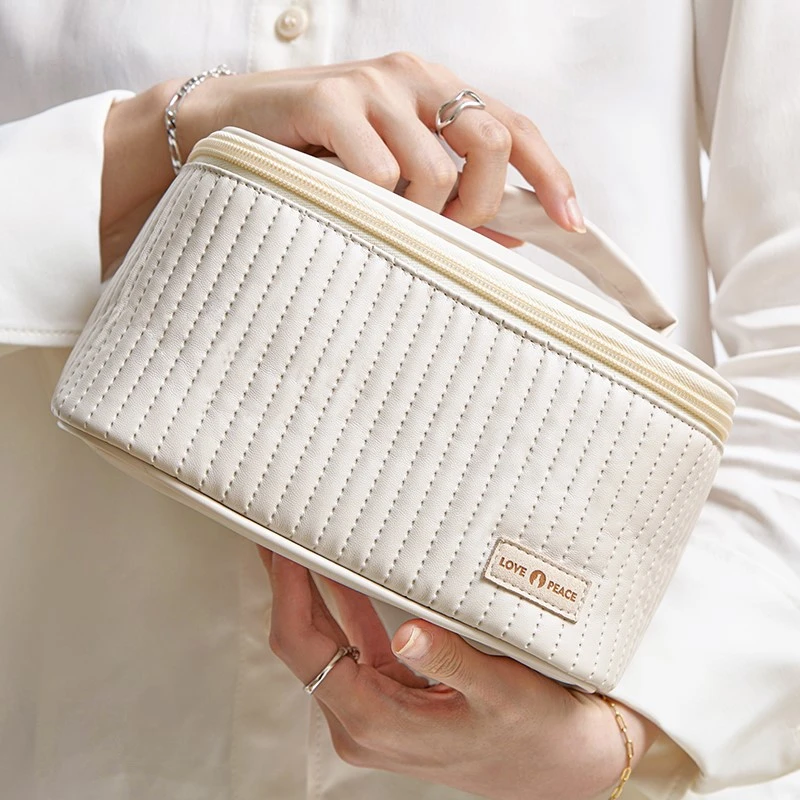
2. Versatility and Innovative Design: More Than Just Bags
Today's bags are no longer just traditional storage tools, they have become a symbol of technology fused with fashion. Trolley bags are no longer just used as travel cases, from smart charging capabilities to multifunctional designs that transform with a single touch, these multifunctional bags are redefining consumer usage experiences, meeting their urgent needs for convenience and practicality.
Modern bags are not merely spaces for carrying items, their designs integrate innovative technologies such as smart charging functions, wireless connectivity, and multifunctional compartments, enabling consumers to manage and use electronic devices more effortlessly. This multifunctional design not only enhances the utility of bags but also makes them an indispensable part of daily life.
3. Customization Trend: Your Bag, Your Style
Today, personalized customization has become a key factor in consumers' bag purchasing decisions, offering them unique life experiences. From popular printed patterns and customized color combinations to personalized monograms, these customization options not only give bags a distinctive appearance but also showcase consumers' personalized lifestyle attitudes.
Online search data reveals a growing consumer preference for personalized bags. Keywords like "custom bags," "personalized handbags," and "unique backpack designs" are trending on shopping platforms. By offering customization options such as pattern selection, color choices, and personalized branding, brands meet consumers' desire for personalized customization, enhancing product uniqueness and appeal.
This customization trend not only provides consumers with more choices but also strengthens emotional connections between brands and consumers. Through personalized customization, consumers can integrate bags into their personal styles and lifestyles, making them unique fashion statements.
4. Digital Innovation and E-commerce Channels: Global Market at Your Fingertips
With the thriving growth of e-commerce, the bag industry is witnessing a new sales revolution. Consumers are no longer confined to traditional brick-and-mortar stores but can effortlessly browse, compare, and purchase various types of bags via online platforms such as e-commerce websites and social media, offering bag brands infinite market possibilities and global opportunities.
Global Market Seamlessly Connected
E-commerce platforms like Amazon, Alibaba, and eBay enable consumers to easily purchase bags of various brands and designs across borders. Consumers are no longer restricted by geographical locations, allowing them to choose products they love from around the world while facilitating brand expansion into overseas markets.
Influence of Social Media
Social media platforms such as Instagram, Facebook, and Pinterest have become crucial channels for bag brands to promote and sell their products. By sharing product photos, user reviews, and brand stories, bag brands can directly interact with consumers, building brand awareness and loyalty.
Data-driven Marketing Strategies
Digital innovation not only changes consumer shopping habits but also provides bag brands with precise market analysis and data feedback. By analyzing consumer behaviors and trends, brands can optimize product designs, pricing strategies, and marketing campaigns to better meet market demands and improve sales efficiency.
Application of Virtual Reality and Augmented Reality Technologies
Some advanced bag manufacturers are beginning to use Virtual Reality (VR) and Augmented Reality (AR) technologies to provide consumers with immersive shopping experiences. Consumers can intuitively experience and choose their favorite bags through virtual fitting and product displays without leaving their homes.
These digital innovations not only expand the bag industry's sales channels and market coverage but also provide brands with more opportunities for consumer interaction and innovative marketing strategies. As technology advances and consumer demands evolve towards personalized and intelligent products, the bag industry will continue to evolve and develop.
5. Brand Integrity and Social Responsibility: Beauty from Within
In consumers' minds, a successful bag brand not only needs outstanding product design and quality but also actively fulfills social responsibilities, focusing on employee welfare, supporting community development, and environmental protection. These are crucial paths to gaining consumer trust.
Focus on Employee Welfare
Mature bag brands not only focus on product quality but also strive to enhance employee welfare and working conditions. By providing a good working environment, fair compensation and benefits, and opportunities for career development, brands can attract and retain talented employees while enhancing job satisfaction and loyalty.
Support for Community Development
Many bag brands support local community development and improve social welfare through community projects, donations, and sponsorship activities. This active participation not only promotes brand image but also earns consumer respect and support, making the brand a role model for corporate social responsibility.
Environmental Protection and Sustainable Development
Environmental protection has become an important issue that bag brands cannot ignore. By adopting sustainable materials, promoting circular economy principles, and reducing environmental impact during production processes, brands can reduce their carbon footprint and promote sustainable development. Consumers increasingly prefer brands that demonstrate environmental awareness and take practical actions, which has become a significant advantage for brands in sustainable development and market competitiveness.
Transparent and Honest Communication
Brand integrity is built on transparent communication. By openly communicating corporate governance, bag manufacturing processes, and social responsibility practices, brands can enhance consumer trust and loyalty. Honest communication not only strengthens brand image but also earns widespread recognition and support.
Conclusion
The bag industry stands at a historic crossroads and must keep pace with market changes and consumer trends. Through innovation, sustainable development, and a deep understanding of consumer needs, bag brands will distinguish themselves in competitive markets, leading new trends in fashion and functionality.
Meanwhile, with technological advancements and consumer pursuit of personalized, intelligent products, the bag industry will continue to evolve and develop. Brands that innovate continuously and actively respond to environmental and social responsibilities will occupy a leading position in the global market, offering consumers more diverse and high-quality choices.