


Bag Manufacturing and Supply Chain: From Design to Production
Aug 16, 2024
Leave a message
Introduction
In the global market, the luggage industry has been widely recognized for its diversity and practicality. For those engaged in the wholesale of luggage, understanding the manufacturing process of luggage can not only help select the right supplier, but also ensure that the quality of the product meets the market demand. This article will comprehensively analyze the whole process of luggage from design to production, to help you better understand the supply chain of luggage manufacturing.
Ⅰ Bag Design Stage
1.1 Market research and demand analysis
The first step in luggage design is to conduct market research to understand market demand and industry trends. This process provides the design team with important data to design products that meet the needs of the market.
1.1.1 Consumer demand analysis: Understand the specific needs of different groups, such as business people tend to choose lightweight, durable and with multiple layers of luggage, while young people may prefer strong design, fashion sense of prominent products. Through consumer research, the design team can identify unmet needs in the market, so as to design a competitive product.
1.1.2 Competitor analysis: Study the product characteristics, pricing strategies and marketing methods of existing competitors to find market gaps or differentiation opportunities. For example, an analysis of a competitor's business luggage product may reveal deficiencies in certain features or materials that the design team can optimize for.
1.1.3 Industry trend tracking: identify the current popular materials, colors, styles and other trends. For example, in recent years, environmentally friendly materials have gradually received attention in the design of luggage, and the design team can find this trend in the research and apply it to the design of new products.
1.1.4 User feedback and pain points collection: Collect consumers' feedback and pain points on existing products through questionnaires, focus groups and other means. This feedback helps the design team to understand the actual needs and problems encountered by consumers during use, so as to make improvements in new products.
Through the above various aspects of market research, the design team can obtain comprehensive data support, and lay a solid foundation for the design of luggage products that meet the market demand and have competitive advantages. The results of the survey not only affect the direction of the design, but also help enterprises to do a precise market positioning before the product is launched to ensure that the product can successfully attract the target customer group.
1.2 Preliminary design and concept development
In the preliminary design and concept development phase, the design team will work on the results of market research to form a preliminary concept sketch. The core task of this stage is to translate market demand and user feedback into concrete design solutions. Design teams often explore multiple design directions at this stage, combining innovation and practicality to ensure that the final product appeals to target users and meets their functional needs.
1.3 Material selection and function planning
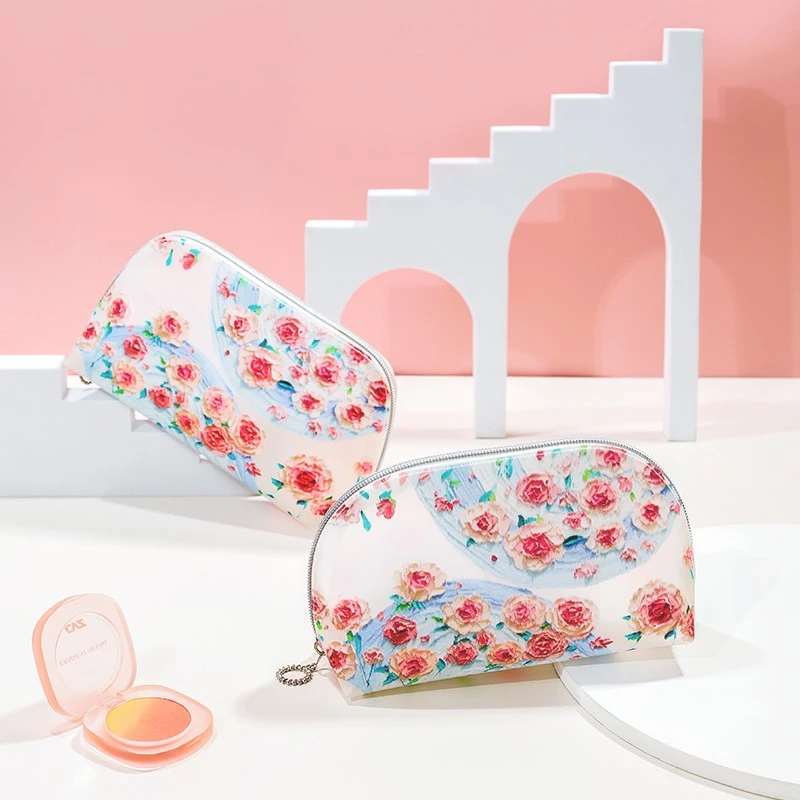
Material selection is a crucial part of the design phase, as it directly affects the functionality and durability of the bag. Different uses require different materials, such as travel bags usually choose wear-resistant nylon to cope with long-term use and various environments, while fashion handbags may use high-grade leather to enhance their appearance and texture. In terms of functional planning, designers need to carefully design the internal structure, including the arrangement of the partition layer, the position of the zipper, etc., to ensure the practicality and convenience of the bag. This process should not only take into account the applicability of materials, but also take into account the actual needs and habits of users, so as to meet the functional requirements, but also ensure the overall beauty and practicality of the product.
Ⅱ Proofing and Testing
2.1 Importance of proofing
After the design is finalized, the manufacturer will usually make a sample, that is, a proof. The purpose of proofing is to verify the feasibility of the design and identify possible problems. Samples at this stage can help customers visually see the effect of the final product and make further adjustments.
2.2 Product testing and improvement
After the proof is completed, the product enters the critical testing and improvement phase. This stage is crucial as it ensures that the product meets all functional and quality standards before mass production. Testing usually includes several aspects:
2.2.1 Zipper Durability Test: This test is designed to assess the durability and reliability of the zipper during repeated use. During the test, the zipper undergoes a large number of opening and closing operations to simulate actual use and ensure that it does not fail or get stuck due to frequent use.
2.2.2 Water resistance test: For those products that require water resistance function, such as travel bags or outdoor equipment, water resistance test is essential. Testing usually involves exposing the sample to water to check whether it is waterproof as designed and to ensure that the contents are protected from rain or moisture.
2.2.3 Wear resistance test: This test is used to evaluate the wear resistance of the material in daily use. By simulating various conditions of use, manufacturers can observe whether the material is prone to wear and tear, ensuring that the product can withstand wear and shock in actual use.
2.2.4 Load test: Especially for bags with large load bearing capacity, load test is necessary. This test applies a certain amount of weight to the product to ensure that its load-bearing capacity meets the design requirements and that there is no structural damage after prolonged use.
2.2.5 Functional test: includes checking whether all design functions operate normally, such as zippers, fasteners, spacers, etc., are working as expected. This also involves evaluating the user experience to ensure that the product is easy to operate and meets user needs.
2.2.6 Appearance inspection: The appearance of the product is carefully inspected to ensure that there are no defects or non-compliance with the design standards, including the uniformity of the suture line, the uniformity of the material, etc.
Through these tests, manufacturers are able to identify and fix potential flaws in product design and make necessary improvements. These improvements may include adjusting the selection of materials, optimizing design details, or modifying production processes to ensure consistent quality and performance in mass production. Ultimately, this stage ensures that the product is released on the market with high quality and reliability, thus meeting the expectations and needs of consumers.
Ⅲ Production Preparation
3.1 Production planning and supply chain management
Before large-scale production, the manufacturer will make a detailed production plan, determine the production schedule and the required resources. At the same time, supply chain management is also crucial, material procurement, production line configuration and other links need to be carefully arranged to ensure the smooth progress of the production process.
3.2 Quality control and standard setting
In the production preparation stage, the manufacturer will also establish strict quality control standards. These standards cover all aspects from raw material selection to final product testing, ensuring that every bag delivered meets customer expectations.
Ⅳ Mass Production
4.1 Production line setup and process flow
The key of mass production lies in the effective setup of production line and the precise management of process flow. Manufacturers choose the right line layout based on the complexity of the product and ensure that every process is carried out efficiently, from cutting and sewing to packaging.
4.2 Production efficiency and cost control
On the premise of maintaining high quality, optimizing production efficiency is an important task for manufacturers. Through automated equipment and refined management, manufacturers are able to increase production speed while effectively controlling costs and offering competitive prices.
Ⅴ Supply Chain Management
5.1 Supplier selection and management
In supply chain management, supplier selection and management is the key link to ensure material quality and supply stability. Manufacturers select reliable suppliers through comprehensive evaluation, the main factors include price, lead time and material quality. Often, manufacturers build long-term relationships with suppliers to maintain the stability of the supply chain. By establishing a strong partnership, manufacturers can obtain more favorable conditions in the procurement process, such as more favorable prices, priority delivery rights, etc., thereby reducing the risk of supply chain disruptions.
5.2 Logistics and inventory management
At the same time, logistics and inventory management also play an important role in supply chain management. Logistics management involves arranging the transportation of raw materials and finished products to ensure that they reach the production line or customers on time. Manufacturers need to coordinate with logistics service providers to optimize transportation routes and methods to reduce transportation costs while avoiding production disruptions or customer dissatisfaction due to transportation delays.
Inventory management is to balance the cost of inventory and supply capacity. Manufacturers need to maintain appropriate inventory levels through accurate demand forecasting and inventory planning. Too much inventory can lead to high storage costs and capital tied up, while insufficient inventory can lead to production delays and customer orders not being delivered on time. Therefore, a reasonable inventory management strategy includes establishing a safe inventory, regularly checking inventory levels, using advanced inventory management systems, etc., to ensure that production needs and customer requirements can be met while reducing inventory costs.
Ⅵ Conclusion
In the whole process of luggage manufacturing, every link from preliminary design to final production plays a crucial role. These links not only affect the quality of products and market performance, but also determine the supply chain management ability and efficiency of manufacturers. Therefore, for B2B customers, in-depth understanding of these links can help them make more accurate supplier selection, so as to ensure that the product can be successfully brought to market and successful.
When choosing a supplier, B2B customers should focus on the manufacturer's experience and supply chain management capabilities. An experienced manufacturer is able to provide innovative solutions at the design stage and strictly control quality during the production process. At the same time, strong supply chain management capabilities can ensure timely procurement of raw materials, smooth production processes and on-time delivery of products. The overall strength and management level of the supplier directly affects the final quality and market response of the product, so it is essential to understand the manufacturer's production capacity, quality control standards and supply chain management strategy.
In summary, understanding the full process of luggage manufacturing can help B2B customers make informed supplier choices and ensure that products can successfully enter the market. Choosing an experienced manufacturer with strong supply chain management ability can provide a solid guarantee for product quality and market success. Therefore, a comprehensive assessment of the capabilities of suppliers and an in-depth understanding of their manufacturing processes and management levels are key to business success for B2B customers.
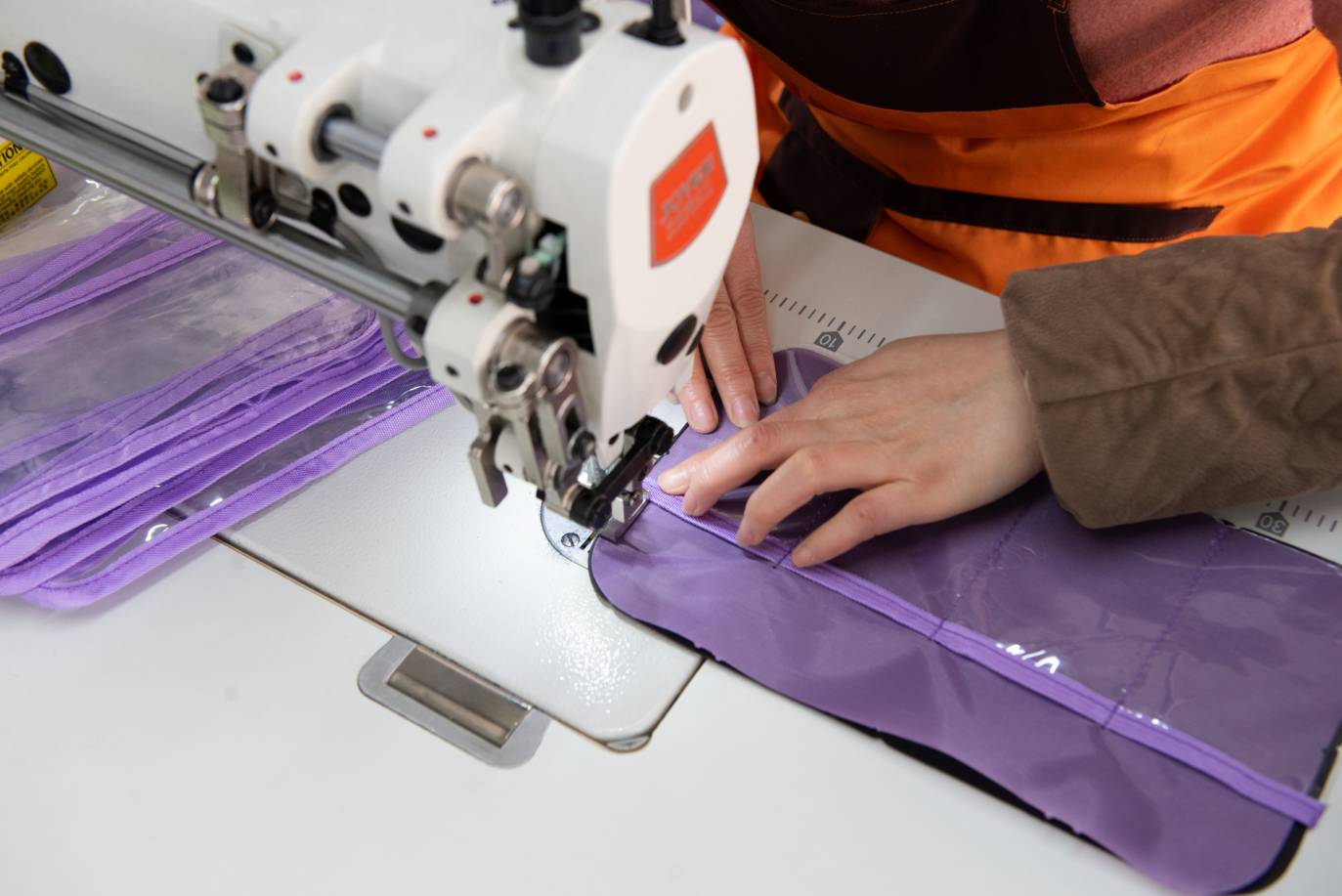
Our experienced worker is carefully sewing toiletry bag, ensuring high quality craftsmanship and excellent product quality.
FAQ
·How long does the production cycle usually take?
The length of the production cycle varies depending on factors such as project complexity, order size and production capacity. In general, the following are the common stages of the production cycle:
- Design and proofing: This step usually takes 2 to 4 weeks and includes concept design, sample production and customer confirmation.
- Production preparation: This includes material procurement and line setup and usually takes 1 to 2 weeks.
- Mass production: The production cycle depends on the size of the order and generally varies from a few weeks to a few months.
- Quality inspection and packaging: Quality inspection and packaging may take 1 to 2 weeks after production is completed.
Overall, the production cycle can take 8 to 12 weeks from start design to final delivery. The specific time will change according to the actual situation, it is recommended to clarify the delivery time with the manufacturer at the start of the project.
Contact Us
For more information about luggage manufacturing and supply chain services, please feel free to contact our professional team. We are committed to providing high quality luggage products and excellent service to customers around the world. We offer personalized services to meet your specific needs.